
BLOG
Construction Changes Every Day. Shouldn’t Your Injury Prevention Strategy?
By: Tom Wahl MS ATC
Your construction schedule changes as the project progresses. But is your injury prevention program changing with it? Between new subcontractors coming on site, overlapping trades, and shifting workloads, the physical demands placed on industrial athletes can look drastically different from one month to the next. Yet injury prevention routines can stay the same, even when the work they’re meant to support has changed.
A more effective approach starts with understanding what’s happening on site today, what’s coming next, and how to prepare workers for both.
Use the Construction Schedule to Anticipate Injury Risks
Construction schedules already tell project managers a great deal about what’s coming next. They know when new subcontractors are expected on site, which activities are scheduled, and where different crews will be working. That same information can help safety teams plan injury prevention efforts.
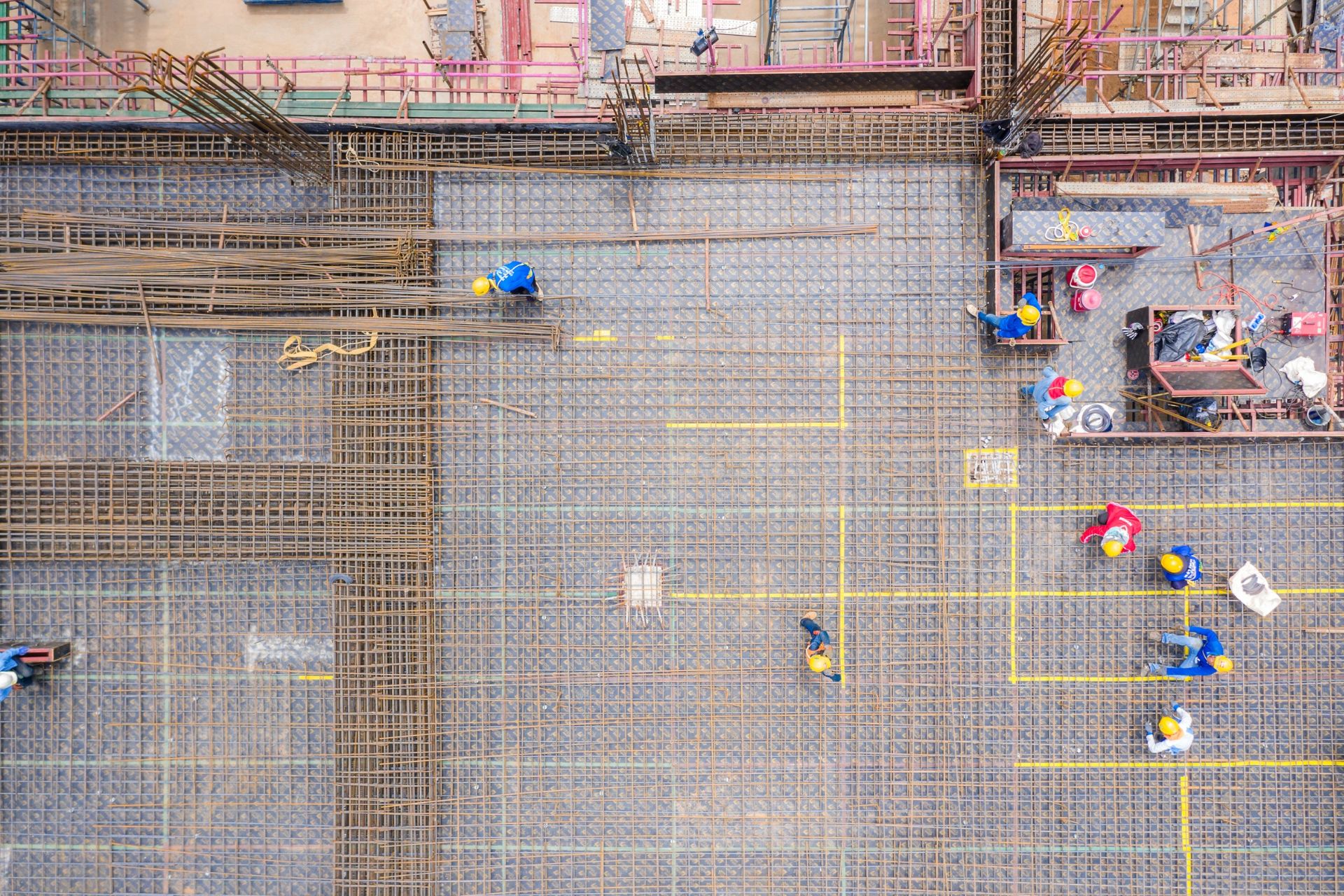
Consider a project that’s moving from concrete work into electrical installation. The primary concerns may shift from lower back strain associated with tying rebar to shoulder stress from overhead cable installation. Knowing that transition is on deck gives injury prevention teams an opportunity to prepare before the next phase begins.
Construction doesn’t always progress in clearly defined stages. Trades frequently overlap, and schedule changes can bring additional crews into areas where other work is still underway. That’s why injury prevention planning must account for more than the overall project phase. It should consider which activities are happening simultaneously and how those demands affect the workers performing them.
BIOKINETIX program managers work closely with general contractor safety teams to stay informed about upcoming activities, workforce changes, and higher-risk tasks. This communication helps them determine where to spend their time and which groups may need additional support as the work progresses.
Adjust Prevention Strategies Based on the Work Being Performed
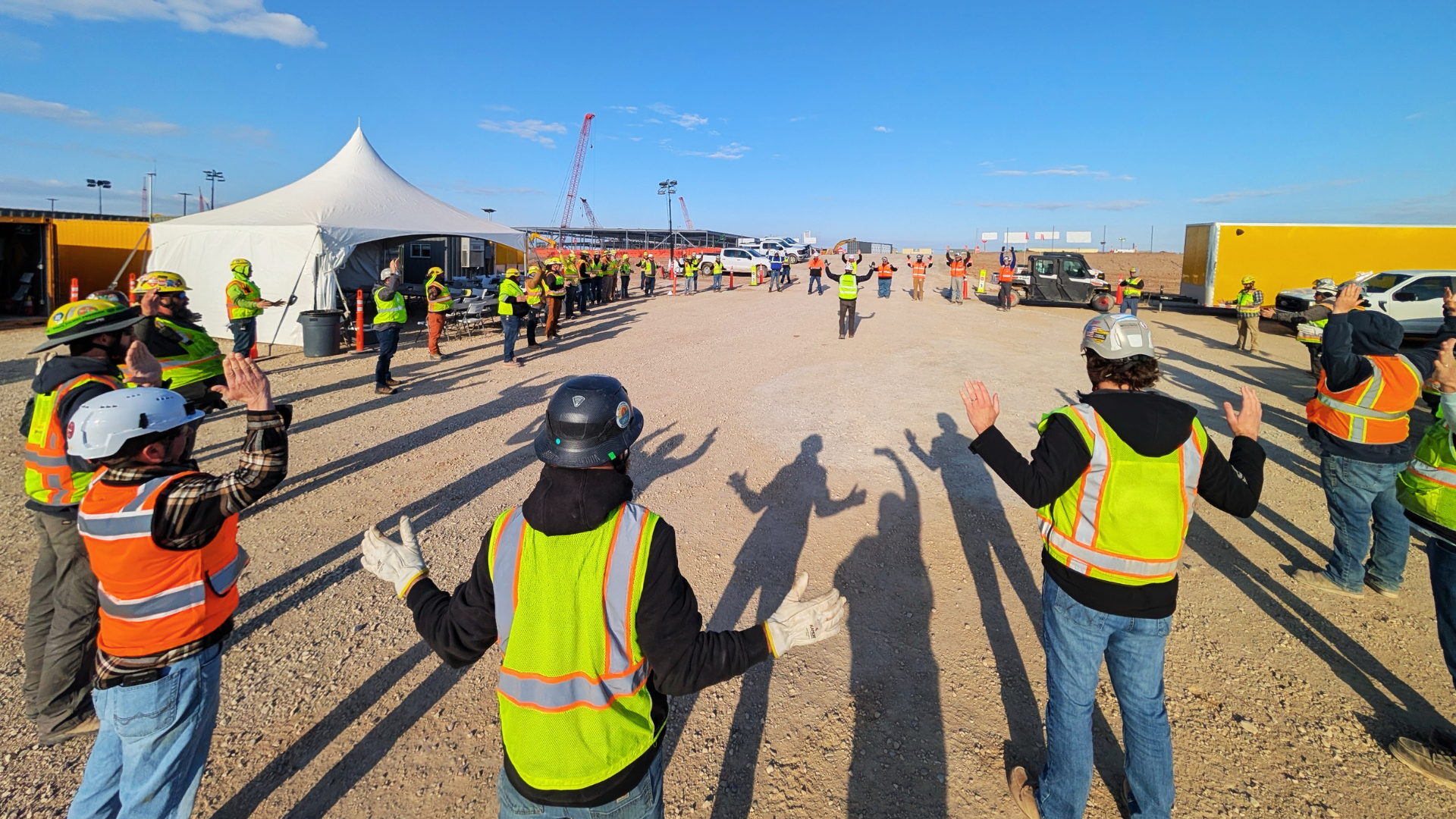
A morning stretch-and-flex program is a common part of the construction workday, but the same routine may not address every crew’s needs throughout the project. BIOKINETIX uses these sessions to prepare workers for the day, with extra emphasis on areas of the body under greater physical demand. If shoulder discomfort is becoming more common among crews doing overhead work, for instance, the team may add upper back activation exercises. Other activities may call for more attention to hip mobility. These adjustments are informed by on-site tasks, along with trends in worker discomfort and first aid injuries.
But prevention doesn’t end when the morning warmup is over. BIOKINETIX program managers spend time in the field observing how work is performed, conducting ergonomic assessments and providing body mechanics coaching.
Consider cable installation. Physical demands can vary depending on whether workers pull cable overhead, install it horizontally, or work around obstacles. Even when two crews are performing the same task, their methods and equipment may differ. Observing those differences allows the team to identify opportunities to reduce unnecessary strain and coach workers on better ways to perform the job.
Schedules can also influence the type of support workers need. When overtime increases, BIOKINETIX may establish microbreak stations near active work areas, providing access to resistance bands, massage tools, and other resources workers can use during short breaks.
The idea is to continually evaluate what workers are experiencing rather than assuming the same prevention measures will remain effective from start to finish.
Work With the People Who Know the Job Best
No injury prevention professional can know every detail of every trade on a construction site. That’s why collaboration with foremen, superintendents, and the workers themselves is such an important part of developing an effective strategy.
Trade leaders understand their crews’ work, the equipment they use, and the challenges they face. Their insight helps injury prevention teams identify tasks that deserve closer attention, especially when unfamiliar activities or new subcontractors come onto the project.
Experienced tradespeople can also help identify practical solutions. Someone who’s spent years performing the same type of work has likely developed techniques to make certain tasks easier. Rather than simply telling workers how they should move, BIOKINETIX program managers ask questions, observe their methods, and involve them in identifying ways to reduce physical stress. They can then evaluate those ideas through ergonomic assessments to determine whether a different approach improves the work.
This involvement also helps build trust. When workers understand that the goal is to help them perform their jobs with less physical strain, they’re more likely to engage with the program and seek support when they begin experiencing discomfort.
Build on What You’ve Learned From Previous Projects
While every construction site has its own challenges, many physical demands of common construction tasks are familiar. A concrete crew on one project may face many of the same ergonomic risks as a crew doing similar work elsewhere. The same applies to electricians, steelworkers, and other trades. That raises an important question: why start from scratch every time?
BIOKINETIX developed an injury prevention roadmap to help its program managers apply knowledge gained across multiple construction projects. The roadmap serves as a shared resource library organized around construction phases, trade-specific activities, and the risks associated with different tasks. It includes ergonomic assessments, established best practices, educational materials, and coaching resources that program managers can reference as work progresses.
When a new task begins on site, the team can draw on what BIOKINETIX has learned from similar activities elsewhere. As program managers observe new methods or identify improvements, they can add those findings to the library and share them across other projects.
The roadmap doesn’t replace the need to assess conditions on each individual site. Instead, it gives injury prevention teams a stronger starting point, helping them anticipate familiar risks while continuing to respond to what’s happening in the field.
Start Early and Keep Adapting
One of the biggest advantages contractors can give their injury prevention teams is involving them before the site reaches peak activity. Establishing a program when there are 50 workers on site is considerably easier than introducing one after the workforce has grown to 500. Starting early gives program managers time to build relationships, establish daily routines, and work with trade partners before the site becomes more crowded.
As additional subcontractors arrive, they join an existing prevention program. And because the team is already familiar with the project, it can use upcoming schedules and ongoing observations to adjust its efforts as new activities begin.
That continuity matters. Injury prevention can’t be established at the start of construction and left unchanged until completion. The program needs to evolve with the project, with regular communication among safety teams, trade leaders, and the industrial athletes doing the work.
At BIOKINETIX, the goal is to move injury prevention beyond simply responding when someone gets hurt. By anticipating the physical demands of upcoming work, applying lessons learned from previous projects, and making real-time adjustments, contractors can take a more proactive approach to protecting their workforce.
Want to learn how BIOKINETIX can help you manage changing injury risks throughout your next construction project? Connect with our team to learn more.
Latest Blog Posts
September 21, 2026
April 17, 2026
September 23, 2025